 Nymbus
Nymbus
Nymbus
Explore the science of nutrition, metabolism, and sustainable lifestyle principles through evidence-based information and expert insights.
Body composition represents the proportional relationship between muscle, bone, water, and fat tissue within the human body. Understanding these components is essential for developing informed perspectives on physical health and nutritional wellness. Rather than focusing solely on weight, body composition provides a more nuanced view of metabolic function and overall physiological balance.
The scientific literature consistently demonstrates that balanced nutrition and moderate physical activity contribute positively to body composition. This portal explores the underlying principles of how different food groups, caloric intake, hydration, and lifestyle factors influence the body's composition over time.

Metabolism encompasses all the biochemical processes through which the body converts nutrients into energy. This complex system involves multiple regulatory mechanisms including hormonal signaling, enzyme activity, and cellular energy production. Understanding metabolic principles provides context for how dietary choices and physical activity influence energy balance.
Factors such as age, muscle mass, hormonal profile, and genetic predisposition all influence metabolic rate. The relationship between nutrient composition, food quality, and metabolic efficiency is an area of ongoing scientific investigation, with research suggesting that diverse, whole-food-based diets support optimal metabolic function.
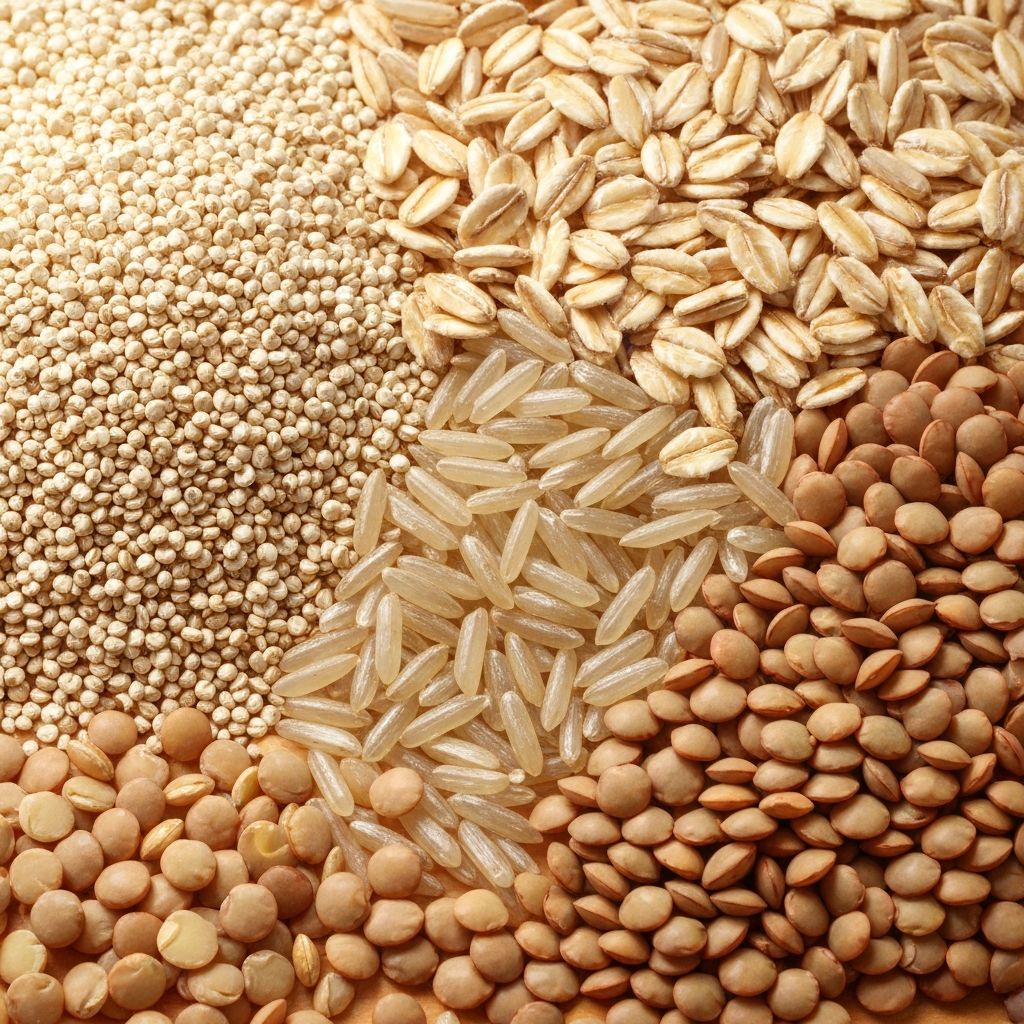
A balanced approach to nutrition emphasizes consuming a variety of food groups: vegetables, fruits, whole grains, lean proteins, and healthy fats. This diversity ensures adequate intake of macro and micronutrients essential for physiological function.
Proper hydration is fundamental to cellular function, nutrient transport, and metabolic efficiency. Water comprises a significant portion of body composition and is essential for countless physiological processes throughout the body.
Regular moderate physical activity contributes to overall well-being by supporting cardiovascular health, maintaining muscle mass, and promoting metabolic efficiency. Movement is an integral component of a balanced lifestyle.

Each food group provides distinct nutritional profiles. Vegetables offer micronutrients and fiber; fruits provide vitamins and antioxidants; whole grains deliver complex carbohydrates and sustained energy; proteins support tissue repair and enzyme function; and healthy fats contribute to cellular health and hormone production.
Contemporary nutritional science emphasizes the importance of consuming foods in their whole, minimally processed forms. This approach provides not only isolated nutrients but also beneficial compounds like polyphenols, phytochemicals, and dietary fiber that work synergistically to support health.
Water is essential for virtually every physiological process. It facilitates nutrient transport, regulates body temperature through perspiration, cushions joints, and participates in metabolic reactions. Adequate hydration supports cognitive function, physical performance, and overall well-being.
Individual hydration needs vary based on factors such as climate, activity level, and personal physiology. Research suggests that monitoring thirst cues and maintaining consistent fluid intake throughout the day supports optimal hydration status and physiological function.


Moderate physical activity supports cardiovascular health, maintains muscular strength and endurance, enhances metabolic efficiency, and contributes to psychological well-being. Whether through walking, cycling, swimming, or other pursuits, regular movement is integral to a balanced lifestyle.
The benefits of physical activity extend beyond physical health. Research consistently demonstrates connections between regular movement and improved mood, enhanced cognitive function, and greater resilience. Activity levels that feel sustainable and enjoyable are most likely to be maintained long-term.
The information presented on this portal is educational in nature and intended to deepen understanding of nutritional science and wellness principles. It is not a substitute for professional medical advice, personalized dietary recommendations, or clinical evaluation. Individuals should consult with qualified healthcare practitioners regarding their specific health circumstances, dietary needs, or any health-related concerns. The diversity of human physiology means that approaches to nutrition and lifestyle are highly individual.